The Art of Japanese Matcha: A Journey Through Uji and Beyond
For centuries, Japanese tea has been revered not simply as a beverage, but as an expression of place, craft, and culture. From the mist-covered hills of Uji in Kyoto to the fertile tea fields across southern Japan, matcha represents one of the most refined forms of green tea in the world.
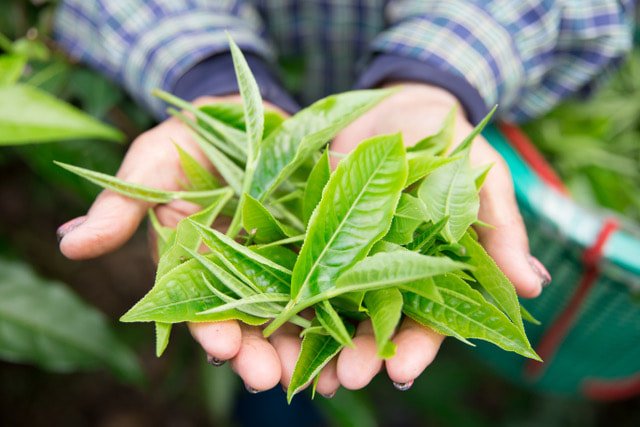
At its highest level, matcha is the result of generations of knowledge—shade-grown tea leaves carefully harvested, stone-milled into an ultra-fine powder, and prepared through ritual. Each region and farm contributes its own nuance, creating a spectrum of flavors that range from delicate sweetness to deep umami.
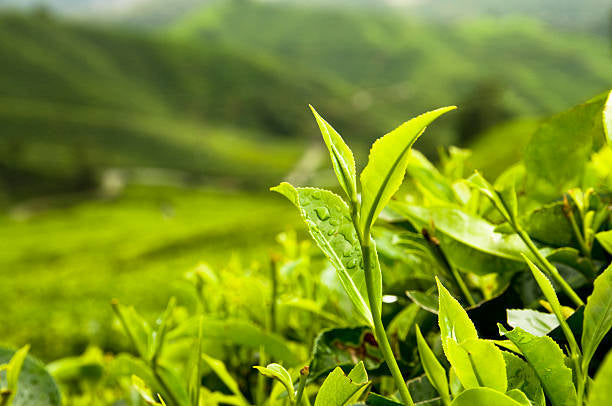
Uji Matcha: The Benchmark of Excellence. The historic tea region of Uji,has long been considered the birthplace of Japanese matcha culture. Nestled just outside Kyoto its climate—marked by gentle mist, mineral-rich soil, and seasonal temperature shifts—creates ideal conditions for cultivating exceptional tea.
Conventional Uji matcha ranges from dependable café-grade blends to rare single-cultivar selections crafted in limited quantities. These teas are known for their luminous green color, velvety texture, and rich umami character. Whether whisked traditionally or incorporated into contemporary beverages, Uji matcha offers remarkable depth and balance.
For tea houses, cafés, and luxury retail brands, it remains the global benchmark of quality.
Organic Uji Matcha: Tradition Meets Modern Purity
In recent years, a growing number of farms in Uji, have embraced organic cultivation methods. Certified under Japan’s JAS organic standards, these matcha maintain the region’s signature elegance while adhering to rigorous environmental practices.
Organic Uji matcha often includes both refined blended teas and expressive single-cultivar harvests from respected farms. The result is a matcha that retains its vibrant color and layered flavor while meeting the demand for traceable, responsibly grown ingredients.
For premium organic brands and wellness-focused cafés, this category represents a harmony between heritage and modern values.
Pesticide-Free Matcha: Rare Expressions of the Cultivar
Some of the most intriguing matcha in Japan come from small specialty farms dedicated to pesticide-free cultivation. Produced in extremely limited quantities, these teas are often crafted from a single cultivar—allowing the personality of the plant itself to shine.
Each harvest reveals subtle differences: gentle floral notes, deep sweetness, or pronounced umami. Despite their small scale, these matcha maintain the vibrant emerald color and silky mouthfeel expected from high-grade tea.
For connoisseurs and collectors, they offer a glimpse into the nuanced world of Japanese tea agriculture.
Matcha From Across Japan. While Uji, remains legendary, other tea-growing regions across Japan also produce exceptional matcha.
Area’s such as Shizuoka, Kagoshima and Nara has become increasingly respected for their innovation and consistency.
Matcha from these regions often offers a broader range of flavor profiles and price points while still delivering vibrant color and refined taste. Many cafés and specialty brands rely on these teas for their versatility and reliable supply.
Organic matcha from these regions has also grown in popularity, offering smooth, balanced flavor ideal for both modern beverage menus and premium retail products.
Beyond Matcha: The Depth of Japanese Green Tea
Japanese tea culture extends far beyond powdered matcha.
Hojicha, a roasted green tea, is beloved for its warm aroma and naturally low caffeine content. Its nutty, comforting flavor has made it a favorite for lattes, desserts, and creative café beverages.
Sencha, Japan’s most widely enjoyed loose-leaf tea, offers a refreshing contrast. Known for its bright green infusion and fresh, grassy aroma, sencha captures the pure essence of the tea leaf.
Both teas reflect the same attention to detail and craftsmanship found in matcha production.
A Heritage in Every Cup
From the historic fields of Uji,to emerging farms across Japan, matcha represents centuries of dedication to the art of tea. Each harvest is shaped by climate, soil, cultivar, and the quiet expertise of farmers who have refined their craft over generations.
For modern tea drinkers, cafés, and luxury brands, these teas offer more than flavor—they offer a connection to tradition, land, and craftsmanship.
In every cup of matcha lies a story centuries in the making.