Holds a Ritual
There is a small workshop in Japan that most people will never see.
It does not announce itself.
It does not rush.
It does not change its pace to match the world.
Inside, sheets of tinplate rest against wooden tables worn smooth by time. Light filters in softly. And hands — steady, practiced hands — continue a rhythm that began in 1895.
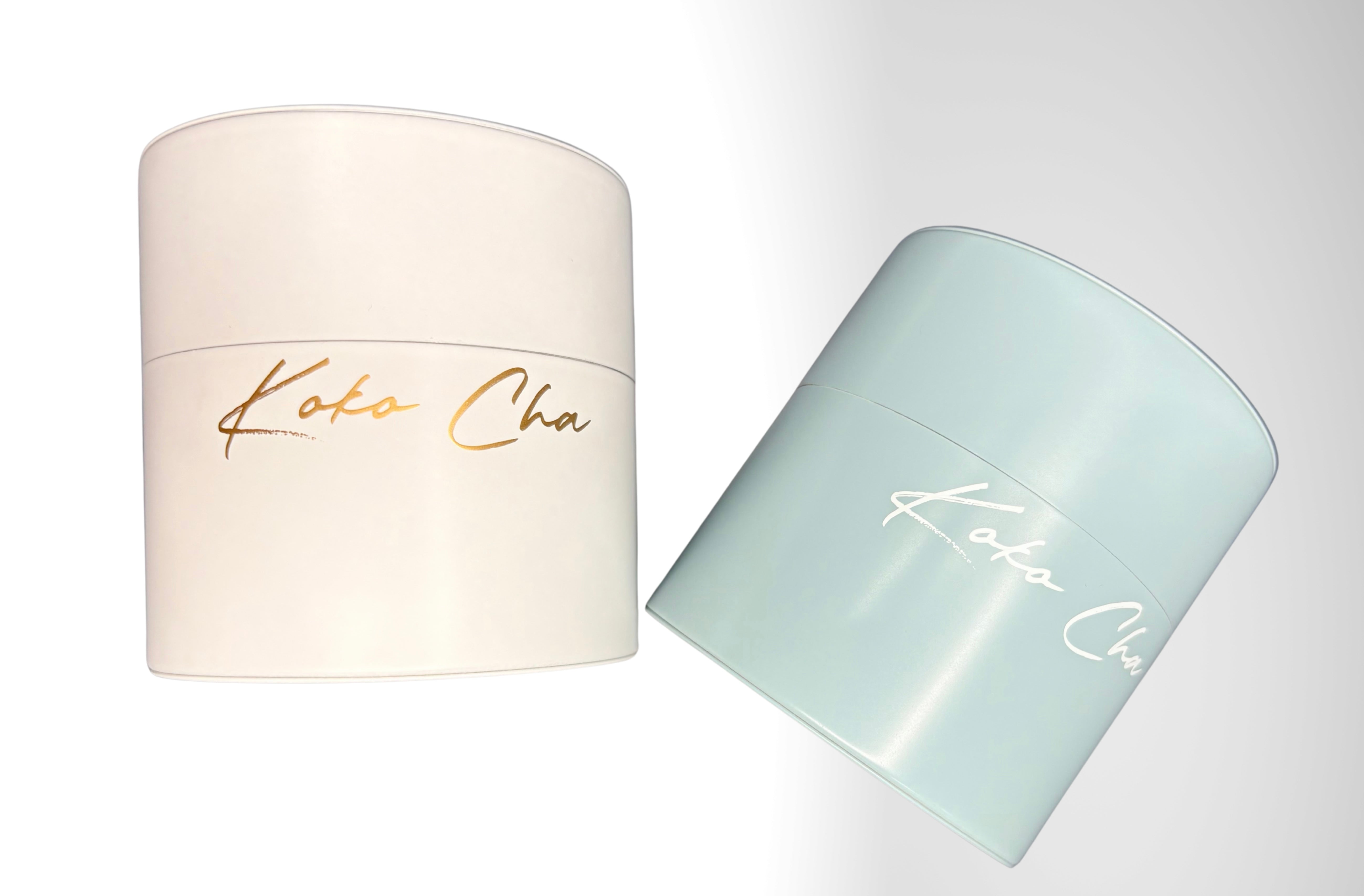
This is where our cans are made.

The family behind them, Kato Seisakusho
has been shaping tea canisters for over a century. Four generations. The knowledge was not downloaded. It was observed. Repeated. Refined. Passed down from parent to child like a quiet inheritance.
I often think about that when I hold one of our cans.
Before it reaches your kitchen, it begins as a flat sheet of metal. It is cut. Rolled. Curved into a cylinder. The seam is joined carefully — not loudly, not dramatically — but with the kind of precision that only comes from doing the same motion thousands of times over a lifetime.
Then comes the lid.
Actually, two lids.
An inner lid that fits so precisely it creates a gentle seal — protecting what is inside from moisture.
An outer lid that shields from light.

In Japan’s humid climate, this structure was not decorative. It was survival. Tea leaves are delicate. They absorb air. They lose their fragrance easily. The double-lid design became a guardian of freshness in homes across the country.
Each inner lid is tested by feel. If it falls too easily, it is adjusted. If it grips too tightly, it is softened. The artisan presses it down and listens — because even metal has a sound when it fits correctly.

There are no protrusions between lid and body. The surface is finished until it carries a soft, lacquer-like glow. Clean lines. Seamless edges. Nothing unnecessary.
When I first learned how they were made, I felt something in my chest.
Not because they are beautiful — though they are.
But because they are patient.
In a world of fast production and disposable packaging, these cans are still formed the way they were generations ago. The company once faced years when tea culture began to fade, when fewer homes brewed loose leaves daily. Many workshops like theirs disappeared.
But they stayed.
The fourth generation continues the same methods. The same measurements. The same quiet discipline.
That matters to me.

Because matcha is alive in its own way. It is sensitive to light. It is sensitive to humidity. It asks to be protected. When we place our matcha inside one of these handmade cans, it feels like aligning with something older than our brand — something steadier.
Sometimes I imagine the journey.
A craftsman in Japan pressing the final lid into place.
A century of inherited knowledge in that single motion.
A can wrapped and shipped across the ocean.
And then, one morning, it is in your hands.
You lift the lid.
There is a soft release of air.
A faint sound that only you hear.
You dip your scoop into the green powder. You level it. You pause.
That pause is why this matters.
The can is not just protecting matcha. It is protecting the moment before the ritual begins. The breath before the whisk touches the bowl. The stillness before the day asks something of you.
When you hold it, you are holding more than metal.
You are holding 130 years of repetition.
Of resilience.
Of hands choosing to continue.
And I think there is something sacred in that — this quiet thread between generations in Japan and your morning in a modern kitchen.
Not loud luxury.
Not excess.
Just care.
And for Koko Cha, that is everything.