History of matcha
The Traveler:
Eisai journeyed to China to study Buddhism and, upon returning in 1191, brought back tea seeds and the powdered tea preparation techniques popular during the Song Dynasty.
The Gift:
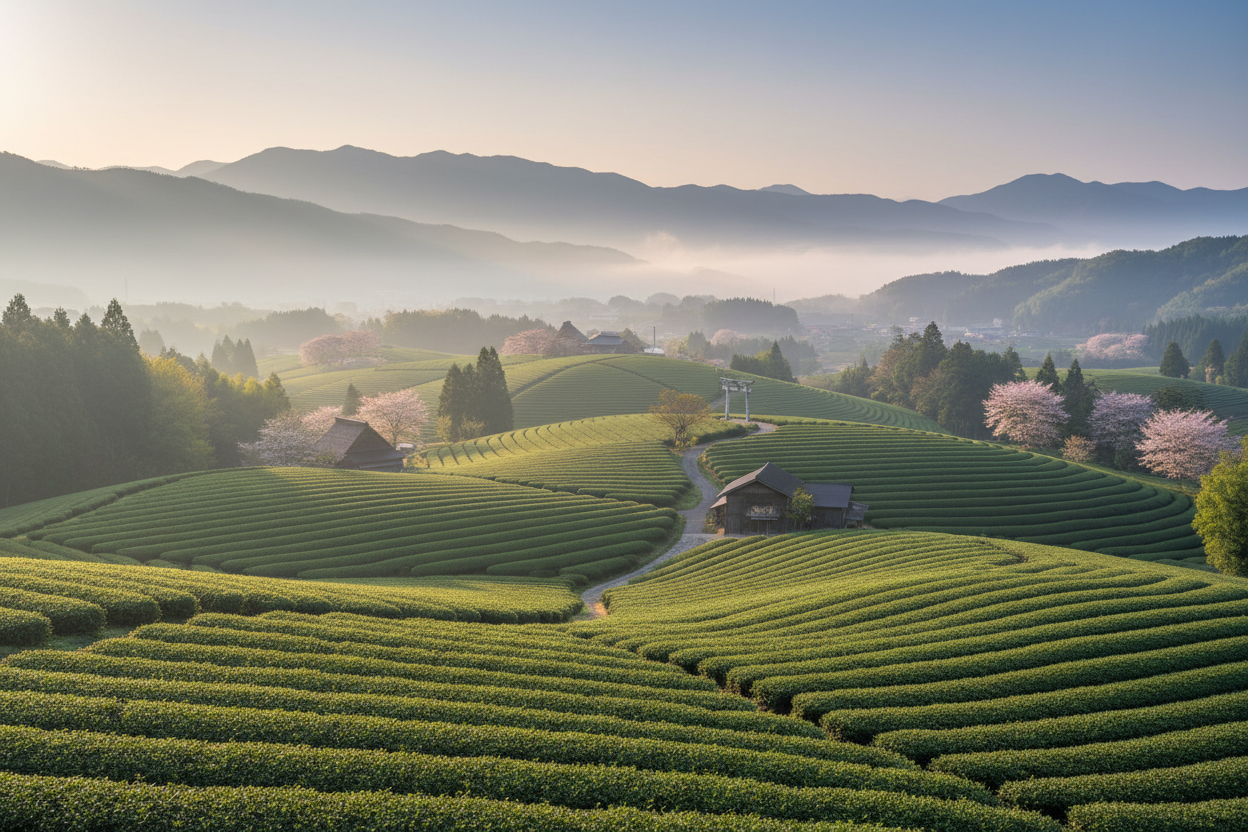
He planted some of these seeds at temples in Kyoto and gifted others to fellow monks. One recipient, Myoue Shounin, cultivated the seeds in Uji, a region that remains world-renowned for producing exceptional matcha.
The Health Benefits:
Eisai praised tea as a source of vitality, mental clarity, and longevity. He especially recommended matcha for monks, believing it supported focus and alertness during long periods of meditation.
The New Methods:
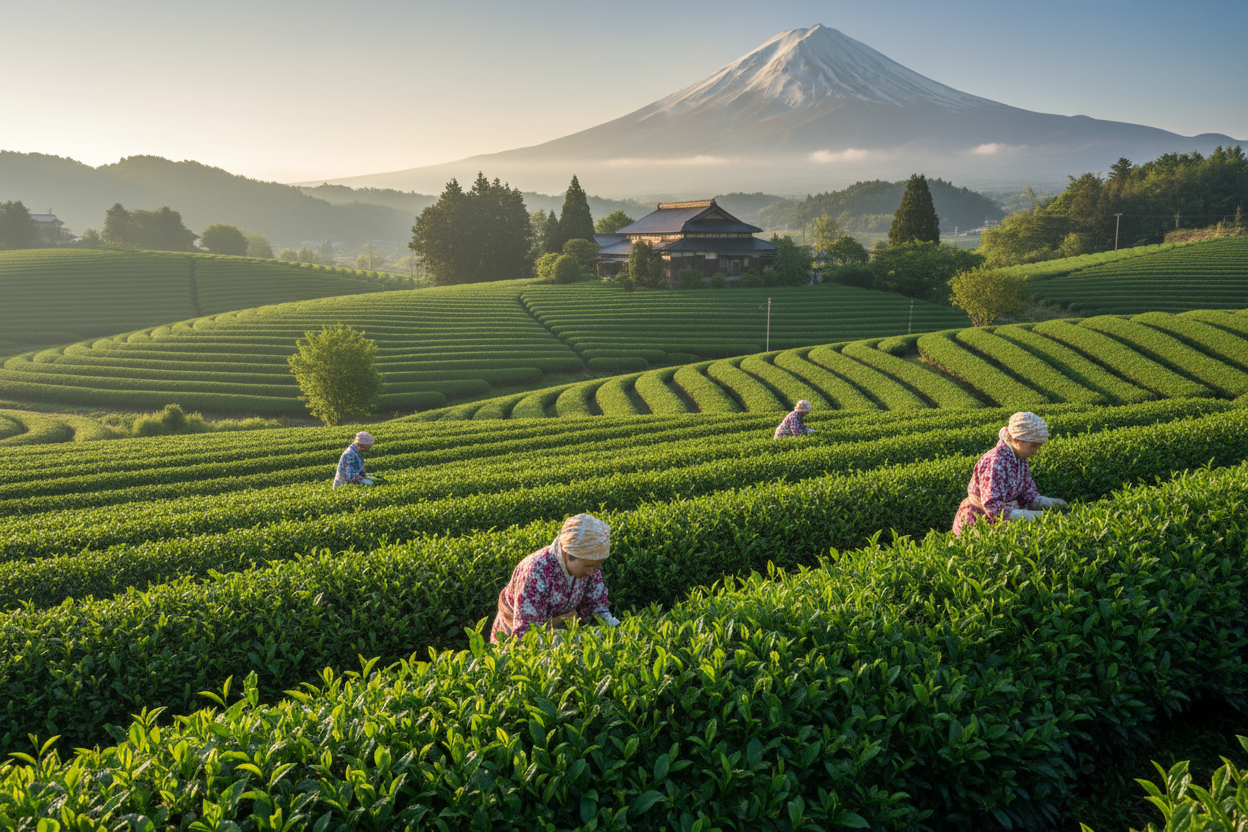
Japanese Zen monks refined cultivation practices, developing the tencha method—growing tea plants in the shade to boost beneficial compounds. This technique enhanced the tea’s vibrant green color and rich umami flavor.
The Tea Ceremony:
Over time, the preparation and enjoyment of matcha evolved into the Japanese tea ceremony (chanoyu), an art form grounded in Zen principles of mindfulness, harmony, and simplicity.